The Mediterranean Diet: The Most Evidence-Backed Way to Eat for a Long Life
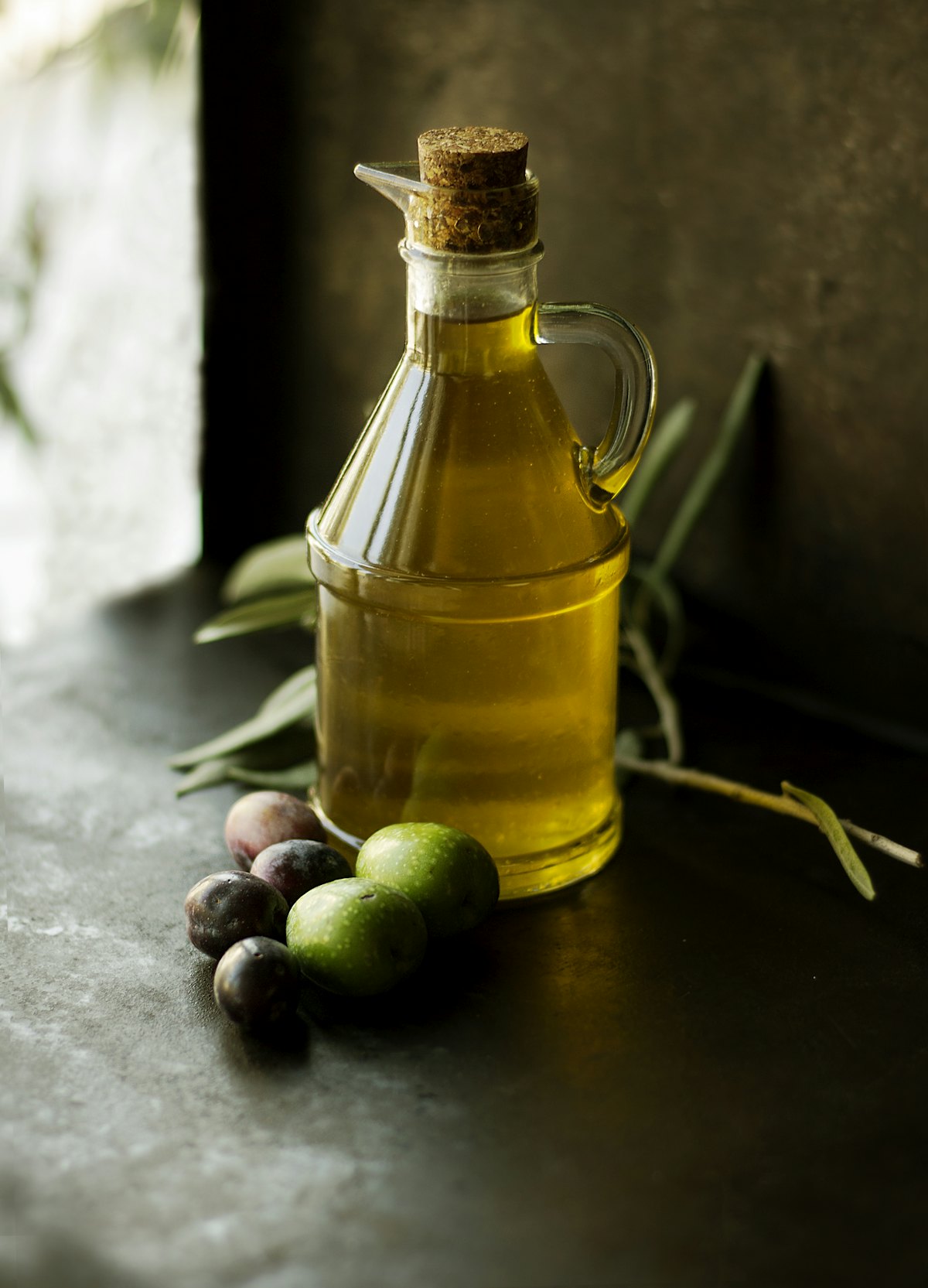
If you asked me — as a dietitian and a biohacker who reads a lot of trials — to name the single eating pattern with the strongest evidence behind it, I wouldn't hesitate: the Mediterranean diet. It's not a fad, it's not a brand, and it doesn't ask you to eliminate entire food groups. It's the traditional way of eating around the Mediterranean basin — abundant vegetables, fruit, legumes, wholegrains, nuts and fish, with extra-virgin olive oil as the main fat, modest dairy, and little red or processed meat. And unlike almost every other diet you'll read about, it has been put to the test in a large randomised controlled trial with hard clinical outcomes.
The landmark trial: PREDIMED
Most nutrition headlines come from observational studies, which can only show association. PREDIMED is different. This Spanish trial randomised around 7,400 people at high cardiovascular risk to one of three diets: a Mediterranean diet supplemented with extra-virgin olive oil, a Mediterranean diet supplemented with mixed nuts, or a control "low-fat" advice group. After roughly five years, both Mediterranean groups had a markedly lower rate of major cardiovascular events — heart attack, stroke or cardiovascular death — with hazard ratios around 0.69, a roughly 30% relative reduction, compared with the control group.[1] Crucially, this was achieved without calorie restriction and without anyone being told to lose weight. They simply ate better, and added generous amounts of olive oil or nuts.
A note on scientific honesty
I think it matters to be upfront here, because the user-facing wellness world rarely is. The original 2013 PREDIMED paper was later retracted over flaws in how some participants were randomised, then re-analysed and republished in 2018.[2] The reassuring part: after correcting the statistics and excluding the affected participants, the core conclusion held — the Mediterranean diet still significantly reduced cardiovascular events.[1] That a finding survives that level of scrutiny is exactly what should make us more confident in it, not less. Good science self-corrects, and this result did.
What the broader evidence base says
One trial, however good, is never the whole story. A Cochrane systematic review — the gold standard for weighing up all the available trials together — examined Mediterranean-style diets for preventing cardiovascular disease and found evidence suggesting benefits for cardiovascular risk factors, while rating the certainty of the evidence for hard endpoints as low to moderate and calling for more high-quality trials.[3] I include this deliberately: the honest position isn't "the Mediterranean diet is magic," it's "this is the best-supported pattern we have, with one strong trial and a large supportive body of evidence, and the experts who scrutinise diets most rigorously still recommend it." That's a far stronger footing than any detox, juice cleanse or single-nutrient fix can claim.
Why it probably works
The beauty of the Mediterranean diet is that no single ingredient is doing the heavy lifting — it's the whole pattern. Extra-virgin olive oil supplies monounsaturated fat and polyphenols with anti-inflammatory properties. Nuts add healthy fats, fibre and minerals like the magnesium I'm always banging on about. Vegetables, fruit, legumes and wholegrains deliver fibre and a huge diversity of plant polyphenols that feed a healthier gut microbiome. Oily fish contributes omega-3 fats. Together these nudge blood pressure, blood lipids, inflammation and blood-sugar control in the right direction at the same time — which is likely why the effect on whole-body outcomes is bigger than you'd predict from any one component.
How to actually eat this way
You don't need to be Greek or Italian, and you don't need expensive ingredients. Make vegetables and legumes the centre of most meals rather than a side. Switch your main cooking fat to extra-virgin olive oil and use it generously — PREDIMED participants used around four tablespoons a day. Keep a daily handful of unsalted nuts. Eat fish a couple of times a week. Choose wholegrains over refined ones. Treat red and processed meat as occasional, not daily. And — very much in the spirit of the tradition — enjoy your food slowly, with other people. It's an approach you can sustain for decades, which is ultimately the point: the best longevity diet is the genuinely good one you'll still be eating in twenty years.
References
- Estruch R, et al. Primary Prevention of Cardiovascular Disease with a Mediterranean Diet Supplemented with Extra-Virgin Olive Oil or Nuts. N Engl J Med. 2018. PubMed
- Retraction and Republication: Primary Prevention of Cardiovascular Disease with a Mediterranean Diet. N Engl J Med. 2018. PubMed
- Rees K, et al. Mediterranean-style diet for the primary and secondary prevention of cardiovascular disease. Cochrane Database Syst Rev. 2019. PubMed