Omega-3s and your heart: what the latest trials actually show
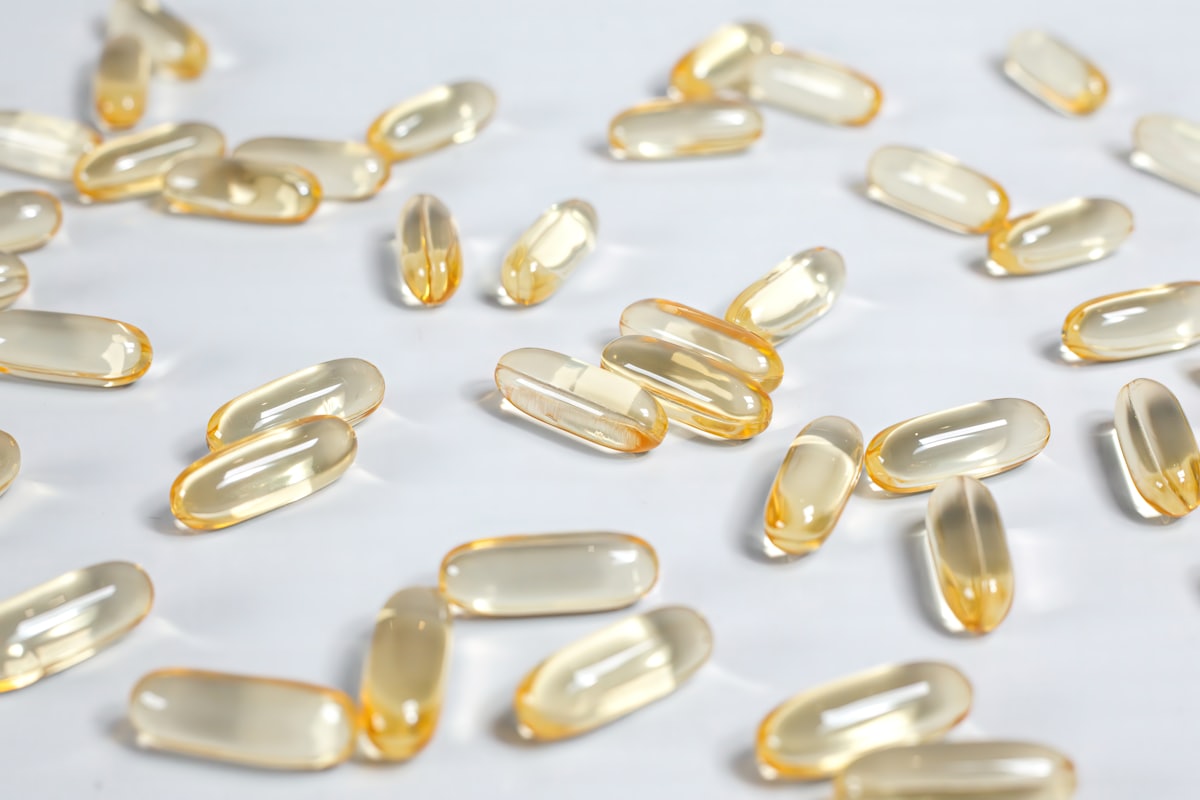
Few supplements have ridden the rollercoaster of popular opinion quite like fish oil. For years it was the cardiac wonder-pill; more recently you may have seen headlines declaring it useless. The truth sits somewhere in between, and it is genuinely interesting.
First, what are omega-3s?
Omega-3 fatty acids are fats your body cannot make in meaningful amounts. The two that matter most for the heart are EPA and DHA, the "marine" omega-3s found in oily fish such as salmon, sardines and mackerel. They differ from the plant-based omega-3 (ALA) in flaxseed and walnuts, which the body converts to EPA and DHA only inefficiently. For decades, observational studies showed that people who ate more oily fish had fewer heart attacks — but to really know whether the omega-3s themselves help, we need randomised trials.
Why the "fish oil for everyone" story got complicated
When the large trials of omega-3 supplements arrived, the results were sobering. The ASCEND trial randomised 15,480 people with diabetes to a standard 1-gram daily fish-oil capsule or placebo, and after around seven years there was no significant reduction in serious vascular events.[1] The VITAL trial gave 25,871 healthy older adults 1 gram of marine omega-3 daily, and the primary cardiovascular outcome was not significantly reduced overall.[2] A large meta-analysis of 13 trials and over 127,000 participants found only small effects on overall cardiovascular events.[3] For the average healthy person, a standard fish-oil capsule is not a reliable insurance policy for the heart.
The plot twist: high-dose prescription EPA
Just as enthusiasm faded, the REDUCE-IT trial changed the conversation. It studied a high dose (4 grams daily) of icosapent ethyl, a purified prescription form of EPA — not the EPA-plus-DHA mix in supermarket capsules — in 8,179 statin-treated people with cardiovascular disease or diabetes plus elevated triglycerides. Over nearly five years, the high-dose EPA group had a 25% lower risk of major cardiovascular events.[4] But a near-identical trial, STRENGTH, tested 4 grams of a combined EPA/DHA preparation in similar patients and found no benefit at all.[5] The honest position: high-dose prescription EPA appears to help a specific high-risk group, and should not be extrapolated to everyone.
The case for eating fish
The trials tested pills, not food — and food is where omega-3s have always shown their most consistent promise. Oily fish delivers EPA and DHA alongside high-quality protein, iodine, selenium and vitamin D, often displacing less heart-friendly choices. So rather than abandoning omega-3s, I read the evidence as a nudge back towards the dinner plate.
What I actually recommend
- Aim for two serves of oily fish per week — salmon, sardines, mackerel, herring or trout.
- Do not feel you must take a supplement if you eat fish regularly.[1][2][3]
- Plant sources still count — walnuts, chia and flaxseed provide ALA.
- High-dose therapy is a medical decision, prescribed and monitored by a doctor.[4][5]
An important safety note
High-dose fish oil is not harmless for everyone. The high-dose trials reported a small but real increase in atrial fibrillation, confirmed by a meta-analysis of long-term marine omega-3 trials.[6] High doses can also modestly raise bleeding risk. Speak with your doctor before taking large doses rather than self-prescribing.
References
- ASCEND Study Collaborative Group. Effects of n-3 Fatty Acid Supplements in Diabetes Mellitus. N Engl J Med. 2018;379(16):1540–1550. PubMed
- Manson JE, et al. Marine n-3 Fatty Acids and Prevention of Cardiovascular Disease and Cancer (VITAL). N Engl J Med. 2019;380(1):23–32. PubMed
- Hu Y, Hu FB, Manson JE. Marine Omega-3 Supplementation and Cardiovascular Disease: an updated meta-analysis of 13 randomized controlled trials involving 127,477 participants. J Am Heart Assoc. 2019;8(19):e013543. PubMed
- Bhatt DL, et al. Cardiovascular Risk Reduction with Icosapent Ethyl for Hypertriglyceridemia (REDUCE-IT). N Engl J Med. 2019;380(1):11–22. PubMed
- Nicholls SJ, et al. Effect of High-Dose Omega-3 Fatty Acids vs Corn Oil on Major Adverse Cardiovascular Events in Patients at High Cardiovascular Risk (STRENGTH). JAMA. 2020;324(22):2268–2280. PubMed
- Gencer B, et al. Effect of Long-Term Marine ω-3 Fatty Acids Supplementation on the Risk of Atrial Fibrillation in Randomized Controlled Trials of Cardiovascular Outcomes: a systematic review and meta-analysis. Circulation. 2021;144(25):1981–1990. PubMed