Insulin resistance: the early signs, and what actually reverses it
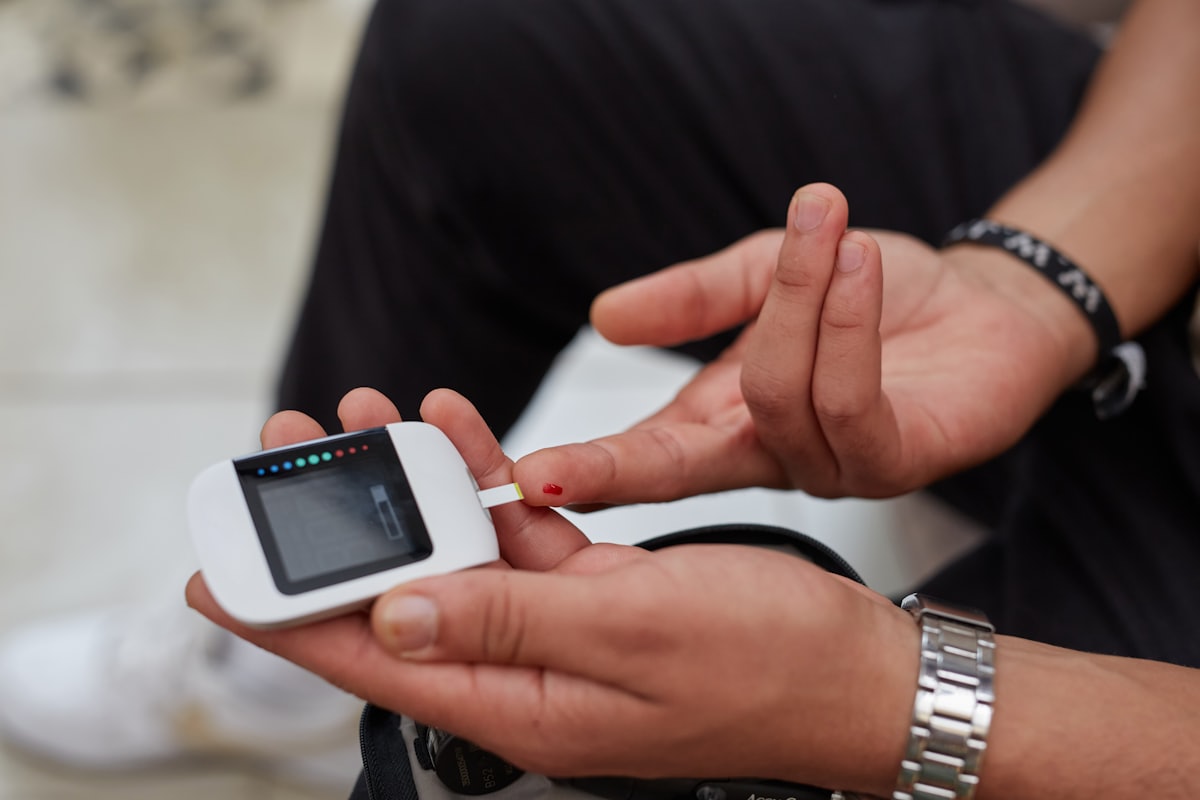
Insulin resistance is one of those phrases that gets thrown around a lot, often with a great deal of fear attached and not much clarity. As a dietitian, I find it helps to strip it back to what's actually happening in the body. Insulin is the hormone that ushers glucose out of your bloodstream and into your cells for energy. When your cells stop responding to it efficiently, your pancreas compensates by producing more and more insulin to get the same job done. For a while, this keeps your blood glucose looking perfectly normal — which is precisely why insulin resistance can build quietly for years before anything shows up on a standard fasting glucose test.
The reassuring part, and the reason I wanted to write this, is that insulin resistance is one of the most modifiable conditions I work with. It is not a life sentence, and the levers that shift it are largely within your control.
The early, subtle signs
Because the body compensates so well early on, the first signals are easy to dismiss. The ones I ask people about include increasing waist circumference (fat carried around the middle is metabolically active and closely tied to insulin resistance), energy slumps and strong cravings after meals, and difficulty losing weight despite genuine effort. Some people notice skin changes such as acanthosis nigricans — darkened, velvety patches at the neck or armpits. None of these are diagnostic on their own, but together they're worth paying attention to.
The single most useful thing I can say here is that you cannot diagnose this yourself. A GP can order the right tests — fasting glucose, HbA1c, sometimes fasting insulin — and interpret them in the context of your overall health. What follows is general information, not a substitute for that individual assessment.
What actually reverses it
Here is where the evidence is genuinely encouraging. The interventions that move the needle are not exotic or expensive — they're the unglamorous fundamentals, applied consistently.
Losing visceral fat (the strongest lever of all)
If I had to name the most powerful intervention, it would be fat loss — particularly the visceral fat around the liver and pancreas. The landmark DiRECT trial showed just how far this can go: in adults with type 2 diabetes, a structured weight-management programme delivered through ordinary GP practices put 46% of participants into remission at 12 months, off all diabetes medication, compared with just 4% receiving usual care. Remission was tightly linked to the amount of weight lost.[1] Even before full diabetes develops, the Diabetes Prevention Program found that a modest lifestyle goal — around 7% body-weight loss plus 150 minutes of activity a week — reduced progression to type 2 diabetes by 58%, outperforming the medication metformin.[2] You do not need to be slim to improve your insulin sensitivity; you need to lose some of the fat that matters most.
Building and using muscle
Muscle is your largest site for clearing glucose from the blood, and resistance training makes it hungrier for it. A systematic review and meta-analysis of resistance training in adults with overweight or obesity found that lifting weights significantly lowered fasting insulin and HOMA-IR, a standard marker of insulin resistance — independent of whether participants lost weight.[3] In practice, I encourage two or three sessions a week of progressive resistance work.
Moving after meals
You don't need a gym for one of the most immediately effective habits. In a crossover study, interrupting prolonged sitting with just two minutes of light walking every 20 minutes meaningfully lowered the glucose and insulin spike that follows a meal, compared with sitting unbroken.[4] A short walk after lunch or dinner is, in metabolic terms, doing real work.
Protecting your sleep
Sleep is the lever people are most surprised by. In a randomised trial, curtailing women's sleep to roughly 6 hours a night for six weeks impaired insulin sensitivity independently of any change in body fat — the metabolic harm came from the short sleep itself.[5] If you are doing everything else right but routinely sleeping five or six hours, that may well be the bottleneck.
Eating for steadier glucose
Diet quality matters, though perhaps not in the rigid way the internet suggests. Rather than chasing any single "anti-insulin" food, I focus people on a pattern: plenty of fibre-rich vegetables, legumes and whole grains, adequate protein, and a genuine reduction in refined carbohydrates and sugary drinks. Much of diet's benefit also runs through the weight loss described above.[1][2]
A realistic word to finish
None of this is a quick fix, and I'd be wary of anyone promising it is. Insulin resistance responds, often substantially, to changes you can actually sustain. Start with one lever — a post-meal walk, a regular bedtime, two strength sessions a week — and build from there. And please do see your GP for proper testing, particularly if you take medication.
References
- Lean MEJ, Leslie WS, Barnes AC, et al. Primary care-led weight management for remission of type 2 diabetes (DiRECT): an open-label, cluster-randomised trial. Lancet. 2018;391(10120):541-551. PubMed
- Knowler WC, Barrett-Connor E, Fowler SE, et al. Reduction in the incidence of type 2 diabetes with lifestyle intervention or metformin. N Engl J Med. 2002;346(6):393-403. PubMed
- Jiahao L, et al. The role of resistance training in influencing insulin resistance among adults with obesity/overweight without diabetes: a systematic review and meta-analysis. 2023. PubMed
- Dunstan DW, Kingwell BA, Larsen R, et al. Breaking up prolonged sitting reduces postprandial glucose and insulin responses. Diabetes Care. 2012;35(5):976-983. PubMed
- Zuraikat FM, St-Onge MP, Makarem N, et al. Chronic insufficient sleep in women impairs insulin sensitivity independent of adiposity changes. Diabetes Care. 2024. PubMed