The Fibre Gap: Why Most of Us Fall Short — and What It Does to Your Gut
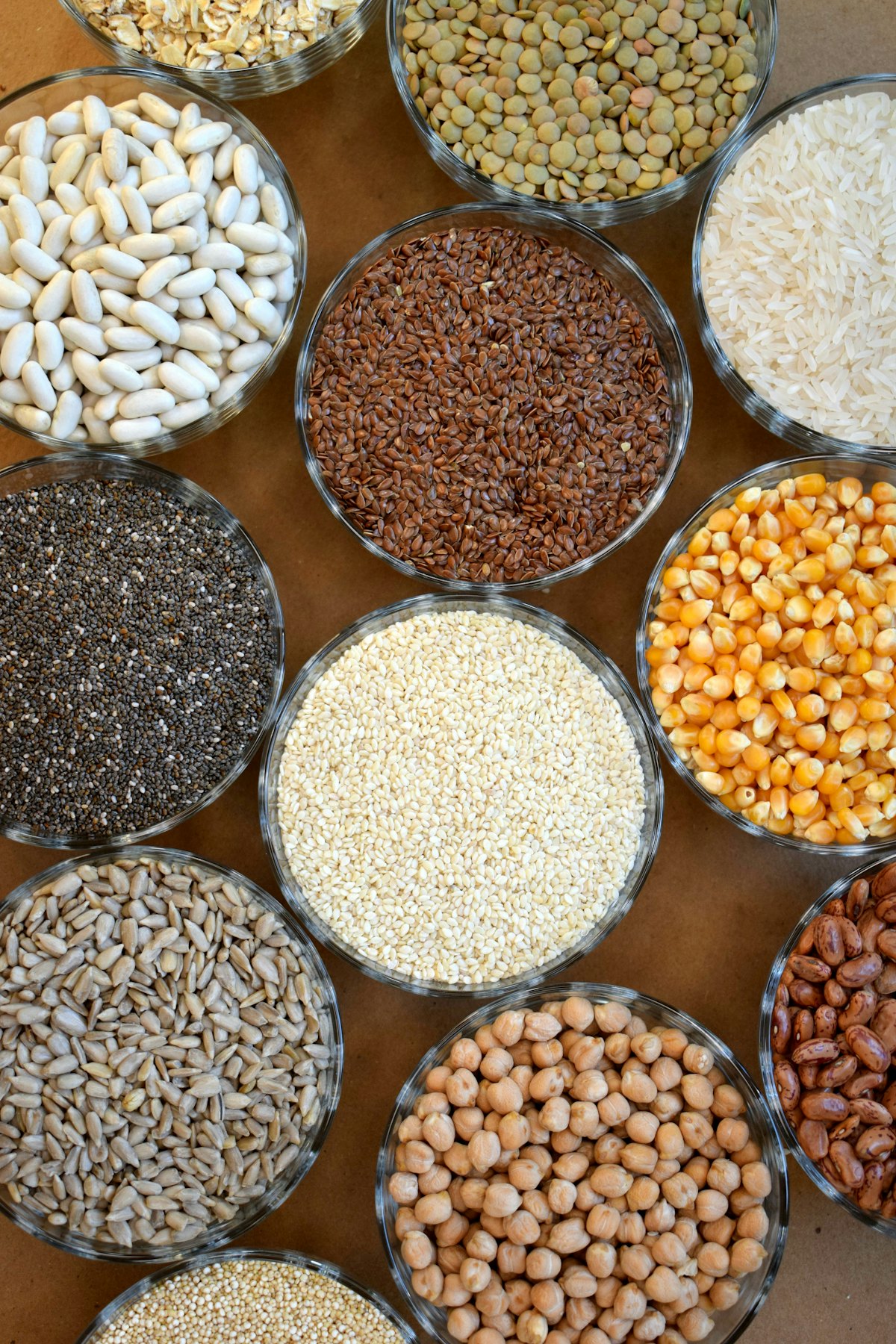
Fibre is, I think, the most under-rated nutrient in the Australian diet. It's not glamorous, there's no fibre "biohack" that goes viral — and yet the evidence linking it to long-term health is some of the strongest and most consistent we have. The catch? Most of us simply don't eat enough of it. Let's look at what fibre actually does, what the research shows, and how to close the gap.
How short are we really falling?
In Australia, the Adequate Intake for fibre is 25 g/day for women and 30 g/day for men, with a higher Suggested Dietary Target (28 g and 38 g) specifically set to reduce chronic-disease risk.[1] Reality falls well short. An analysis of the national nutrition survey found median adult intake was just 20.7 g/day, and that more than 7 in 10 adults didn't even reach the Adequate Intake — with fewer than 1 in 5 meeting the chronic-disease target.[2] So this isn't a fringe deficiency; it's most of the population.
Why your gut cares so much
Here's where it gets interesting. Fibre isn't digested by you — it's largely digested by them: the trillions of microbes in your large intestine. When gut bacteria ferment certain fibres (sometimes called microbiota-accessible carbohydrates), they produce short-chain fatty acids like butyrate. Butyrate is the preferred fuel of the cells lining your colon, and these short-chain fatty acids help maintain the gut barrier and help keep inflammation in check.[3]
A higher-fibre diet also supports a more diverse microbiome — and diversity tends to track with resilience and better metabolic health. Starve the microbes of fibre and that ecosystem narrows, which is one reason very low-fibre, ultra-processed eating patterns are thought to be problematic well beyond their calorie content.[3]
The whole-body payoff
The headline evidence comes from a landmark series of systematic reviews and meta-analyses published in The Lancet, drawing on nearly 135 million person-years of data across 185 prospective studies and 58 trials. People with the highest fibre intakes had a 15–30% lower risk of cardiovascular death, coronary heart disease, type 2 diabetes, colorectal cancer and all-cause mortality compared with those eating the least. The relationship was dose-dependent, and the clearest benefits appeared at intakes of around 25–29 g per day and above.[4]
That's a remarkable return for something as simple as eating more plants — and it's exactly the kind of "boring but powerful" intervention I love, because it compounds quietly over decades.
Closing the gap (without the bloating)
- Aim for 25–30 g+ per day, working towards the chronic-disease target over time.[1][4]
- Lean on the big hitters: legumes (lentils, chickpeas, beans), wholegrains (oats, barley, wholegrain bread), fruit and vegetables (skins on), and nuts and seeds.
- Chase variety, not just quantity — different plants feed different microbes, supporting a more diverse, resilient gut community.[3]
- Increase gradually and drink more water. Ramping fibre up too fast is the usual culprit behind bloating; your microbiome needs a week or two to adapt.
One caveat: if you have a diagnosed gut condition like IBS, more fibre isn't automatically better — the type matters, and a structured approach (sometimes low-FODMAP, guided by a dietitian) is wiser than a blanket "eat more fibre." That nuance is exactly the kind of thing I tailor to the individual.
References
- National Health and Medical Research Council. Nutrient Reference Values for Australia and New Zealand: Dietary Fibre. eatforhealth.gov.au
- Fayet-Moore F, Cassettari T, Tuck K, et al. Dietary Fibre Intake in Australia. Paper I: Associations with Demographic, Socio-Economic, and Anthropometric Factors. Nutrients. 2018;10(5):599. PubMed
- Makki K, Deehan EC, Walter J, Bäckhed F. The Impact of Dietary Fiber on Gut Microbiota in Host Health and Disease. Cell Host Microbe. 2018;23(6):705–715. PubMed
- Reynolds A, Mann J, Cummings J, et al. Carbohydrate quality and human health: a series of systematic reviews and meta-analyses. Lancet. 2019;393(10170):434–445. PubMed